

Searching for entry-level warehouse jobs is often the first step into a stable career for many workers. Warehouses remain essential to nearly every supply chain, and demand for dependable employees has only increased as e-commerce and distribution centers continue to grow.
These jobs offer hands-on experience, steady hours, and an introduction to logistics and operations. But not all warehouse roles are created equal. To land a position that supports both your income and your long-term goals, it helps to understand what these jobs involve and how hiring decisions are made.
Why Entry-Level Warehouse Jobs Are Worth Considering
Warehouse jobs are known for being accessible. Many employers are willing to train new workers who bring strong attendance, attention to detail, and a willingness to learn. This makes it a practical option if you’re just entering the workforce or switching industries.
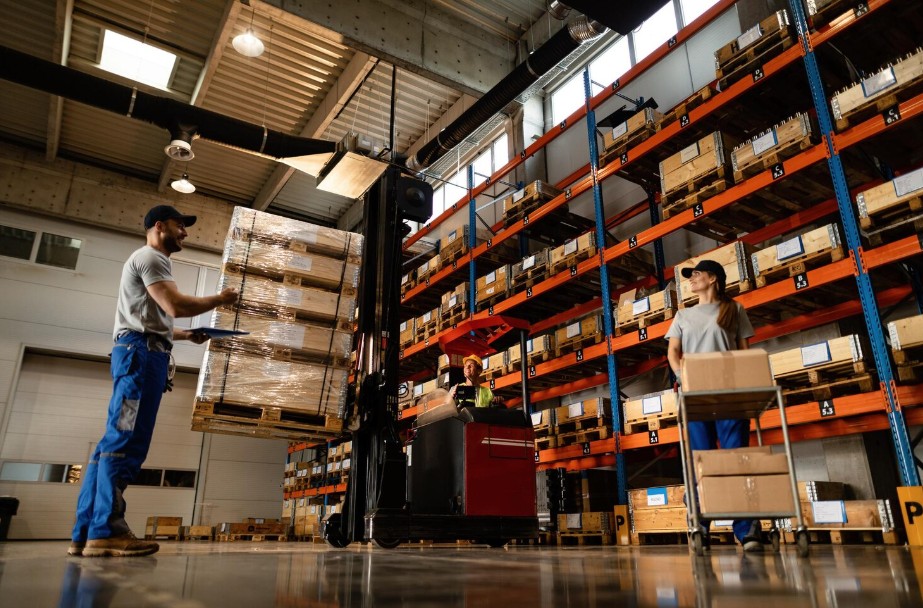
Most entry-level positions focus on physical tasks like packing, sorting, loading, and inventory checks. These jobs often require standing for long periods, lifting boxes, and working with basic tools or scanners. Because of their critical role in keeping goods moving, warehouse teams tend to value reliability and speed.
One of the biggest benefits is the opportunity to grow into higher-paying roles. Many team leads, forklift operators, and shift supervisors start with entry-level warehouse jobs and earn promotions through consistent performance.
Some companies offer cross-training in multiple departments, which gives employees a better understanding of warehouse flow and more options for advancement. This exposure can also make your resume more appealing if you apply for roles at larger logistics firms in the future.
Warehouse environments also build valuable soft skills. Communication, teamwork, punctuality, and adaptability are reinforced every day on the floor. These traits are respected by employers in other industries, making warehouse experience a strong asset if you choose a different path down the line.
Entry-level panic? Who’s still hiring entry-level workers reveals 5 industries actively recruiting beginners now!
Lost in job hunt? Step-by-step job search guide leads beginners to interviews despite tough competition!
Key Responsibilities You Should Expect
When applying to entry-level warehouse jobs, understanding daily duties helps you know what to expect. Here are some typical tasks for new warehouse employees:
- Picking and Packing: Selecting items from shelves and preparing them for shipment.
- Inventory Support: Scanning items, updating stock counts, or labeling products.
- Sorting and Organizing: Moving packages or products to the correct locations within the facility.
- Loading and Unloading: Assisting with incoming deliveries or preparing outgoing shipments.
- Maintaining Clean Work Areas: Keeping aisles, workstations, and docks safe and clear.
Every warehouse runs a bit differently, but these responsibilities form the core of most entry-level positions. Having a basic understanding of them can help you stand out in an interview and adjust quickly once hired.

What Employers Look For in First-Time Warehouse Hires
You don’t need years of experience to get hired in a warehouse, but you do need to show you’re dependable and ready to work. Hiring managers typically look for a few key traits when reviewing applications and meeting candidates.
- Attendance and Punctuality
Warehouses rely on shift workers. If you’re late or miss days, the whole schedule can fall behind. - Work Ethic
Fast-paced environments require people who stay focused and finish tasks on time. - Physical Readiness
Lifting, bending, and moving are part of the job. Being comfortable with physical activity is important. - Basic Communication Skills
You’ll need to understand instructions and ask questions when needed. - Openness to Learning
New employees often receive training. A willingness to learn helps you grow into higher roles.
Highlighting these qualities in your resume or interview can give you an edge, even if you’ve never worked in a warehouse before.
Common Mistakes to Avoid When Applying
Job seekers often lose out on entry-level roles due to small but avoidable missteps. To make sure your application stands out, avoid the following:
Submitting incomplete or generic applications that leave out your schedule or location preferences. Being vague about your physical abilities or availability, which can lead to mismatches once hired. Ignoring interview requests or taking too long to respond. Many entry-level warehouse jobs fill quickly, so timing matters.
It’s also important not to underestimate the role. These jobs may be entry-level, but they are essential to the companies that hire for them. Showing that you take the opportunity seriously can go a long way.
How Entry-Level Warehouse Jobs Support Career Growth
One of the biggest advantages of warehouse work is the potential for advancement. Many companies promote from within, especially when they see good attendance, a positive attitude, and a willingness to take on new tasks.
In fact, some of the highest-paying roles in logistics and warehouse operations begin with a general labor position. Over time, workers can move into specialized roles such as forklift operation, inventory control, or lead positions.
Even if you plan to switch careers later, the skills you gain in a warehouse—like time management, teamwork, and attention to detail—can transfer to other industries. Larger employers sometimes offer tuition assistance, certification programs, or leadership training for warehouse team members who want to pursue long-term careers.
As the logistics industry continues to grow with the rise of e-commerce and same-day delivery, skilled warehouse workers are becoming even more essential. That demand creates long-term job security and opportunities to stand out by mastering warehouse systems and safety protocols.
How to Prepare Before Your First Day
Once you’ve been offered a role, taking a few steps before your first shift can help you start strong. Review your schedule and arrival instructions so you’re on time. Wear the recommended attire, which often includes steel-toe boots and layered clothing for temperature changes.
Bring any required identification for onboarding, and be ready to complete safety training. Ask questions if anything is unclear. Supervisors appreciate new hires who take safety and process seriously from day one.
If you’re nervous about physical work, practice stretching and staying hydrated. Even moderate activity can feel demanding in the first week, especially if you’re not used to it. But with a good attitude and support from your team, you’ll adjust quickly.
Get Started With Confidence
Entry-level warehouse jobs are more than a paycheck; they’re a solid starting point for building experience, discipline, and financial stability. The work may be physical, but it comes with real potential for long-term growth.If you’re ready to explore entry-level warehouse jobs that match your schedule and goals, TBest Services can help. We connect dependable workers with employers who value dedication, safety, and career development. Reach out today to learn more about opportunities near you.