

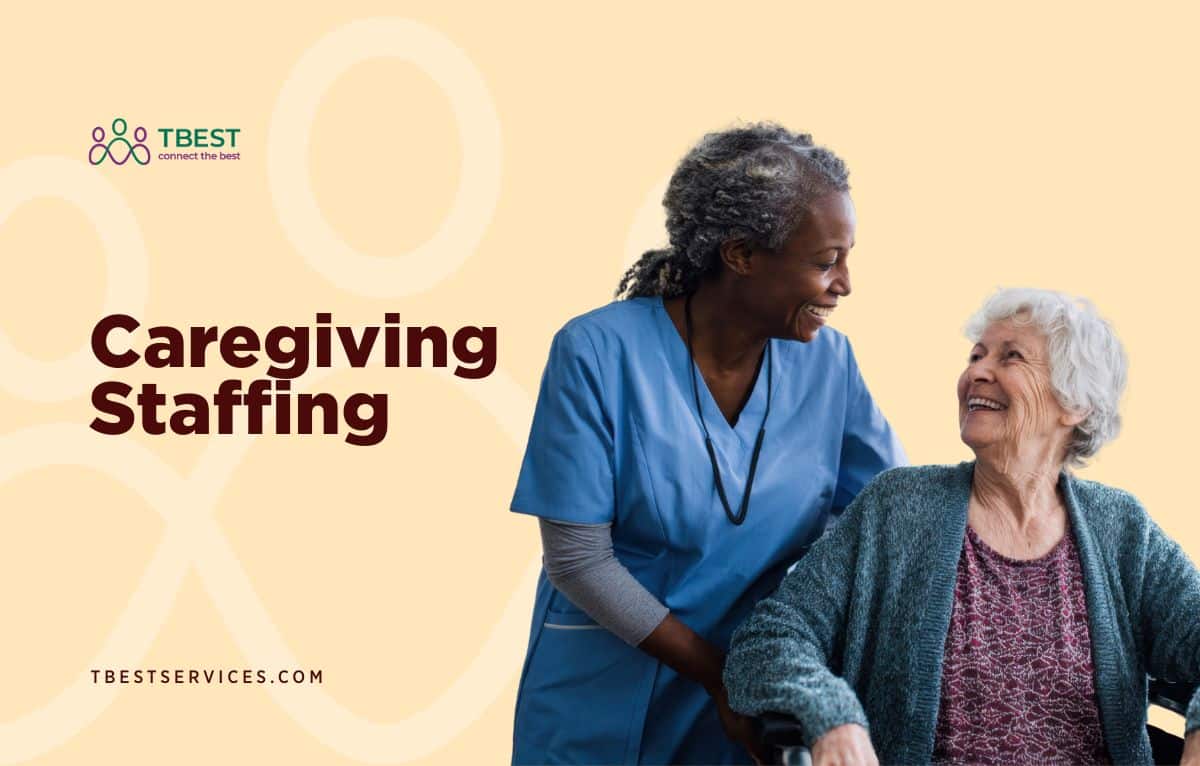
As the demand for personal and in-home care grows, caregiving staffing solutions have become a critical component of maintaining both quality of care and workforce stability. In 2026, organizations that rely on caregivers—from private families to residential facilities—face new pressures: rising turnover, scheduling conflicts, and a limited pool of trained professionals.
These challenges are not just operational; they affect the safety, trust, and continuity that caregiving requires. Better caregiving staffing is not a quick fix. It involves smarter systems, clearer expectations, and long-term planning.
Caregiving staffing solutions have evolved to address more than coverage gaps. The most effective models today focus on compatibility, retention, and ongoing support.
When teams are aligned and caregivers feel equipped, both client outcomes and operational efficiency improve. Getting the right caregivers in place is no longer a luxury, it is foundational to delivering consistent, compassionate care.
The Challenges of Poor Staffing Systems
Too many organizations still treat caregiver staffing as a reactive task. A vacancy appears, and the scramble begins. This approach leads to:
- Inconsistent caregiver-client matches that result in dissatisfaction or reassignments
- Higher stress levels among staff, especially when working overtime to fill in
- Shortened tenure for caregivers who feel overworked or unsupported
- Poorer outcomes for clients who rely on routine and trust
The ripple effects are long-lasting. When caregivers rotate frequently, clients lose their sense of familiarity and stability. Families and administrators spend more time troubleshooting than planning. Eventually, this costs time, money, and reputation.
Improving caregiving staffing solutions starts with recognizing that the job requires more than basic availability. It takes intention, preparation, and a system that accounts for both client needs and caregiver sustainability.

What Better Caregiving Staffing Looks Like
The strongest caregiving staffing solutions in 2026 share a few core traits:
- Preparation Before Crisis
Instead of waiting for gaps to appear, proactive organizations maintain an updated bench of potential hires, floating staff, or reliable agency contacts. Having a backup plan is no longer optional. - Structured Onboarding and Check-Ins
Caregivers who understand the expectations, reporting systems, and routines are more likely to stay. A clear introduction process and ongoing communication help prevent misalignment.
These two shifts—advance planning and better onboarding—form the base of a more sustainable approach to caregiving staffing.
Balancing Skills With Fit
Even in high-pressure environments, a fast hire is not always the right hire. The most effective caregiving staffing solutions focus on alignment between client needs and caregiver strengths.
This can mean matching on language, cultural background, personality, or schedule preferences. Fit matters. It influences performance, reduces reassignments, and builds stronger caregiver-client relationships.
To make those matches consistently, staffing processes need to include detailed intake conversations, transparent job previews, and realistic timelines. A rushed placement may offer short-term relief but often creates long-term disruption.
Supporting Caregiver Retention
Retention is not about extra bonuses. While compensation matters, caregivers are more likely to stay when they feel respected, prepared, and supported. Organizations that invest in training, clear feedback channels, and manageable shift structures experience lower turnover.
For caregiving staffing solutions to succeed, the caregiver experience must be considered just as carefully as the client’s.

Why Families and Facilities Are Re-Evaluating
The events of the last few years have made one thing clear: care systems are only as strong as the people inside them.
With more individuals choosing to age in place, and many facilities operating at reduced staffing levels, reliable caregiving staffing solutions are in demand across the country.
In Maryland and beyond, families and organizations are seeking help not just with finding caregivers, but with building a setup that works long-term.
Two Simple Ways to Strengthen Staffing Today
Even small improvements can make a major difference. Consider starting with:
- Weekly check-ins with caregivers or agency reps
These short conversations surface small issues before they grow and keep both parties aligned. - Shift templates or prep sheets
Giving caregivers a clear layout of duties, client preferences, and emergency contacts ensures a smoother transition and less confusion on the job.
These are not complicated fixes. They are tools that help stabilize caregiving staffing solutions in high-turnover environments.
Planning for the Future of Care
As care needs grow more complex, so will the expectations placed on caregivers. This makes it even more important to have a staffing approach that includes training access, system support, and flexibility.
The caregiving workforce is evolving. Employers who take time now to build smarter structures will be the ones best equipped to meet growing needs with confidence.
Better caregiving staffing solutions are not reserved for large facilities. Small organizations and private families can benefit just as much from systems that reduce risk and increase reliability.

Supporting the People Who Provide the Care
Caregiving staffing solutions in 2026 are about more than filling roles. They are about building trust between caregivers, clients, and care coordinators. When the right setup is in place, stress decreases and outcomes improve. At TBest Services, we help families and care providers strengthen their systems, improve retention, and ensure reliable care. From onboarding to ongoing support, we build solutions that work for everyone involved.